Featured ADS-B Feeder for June 2026: Ryan from New York State, USA
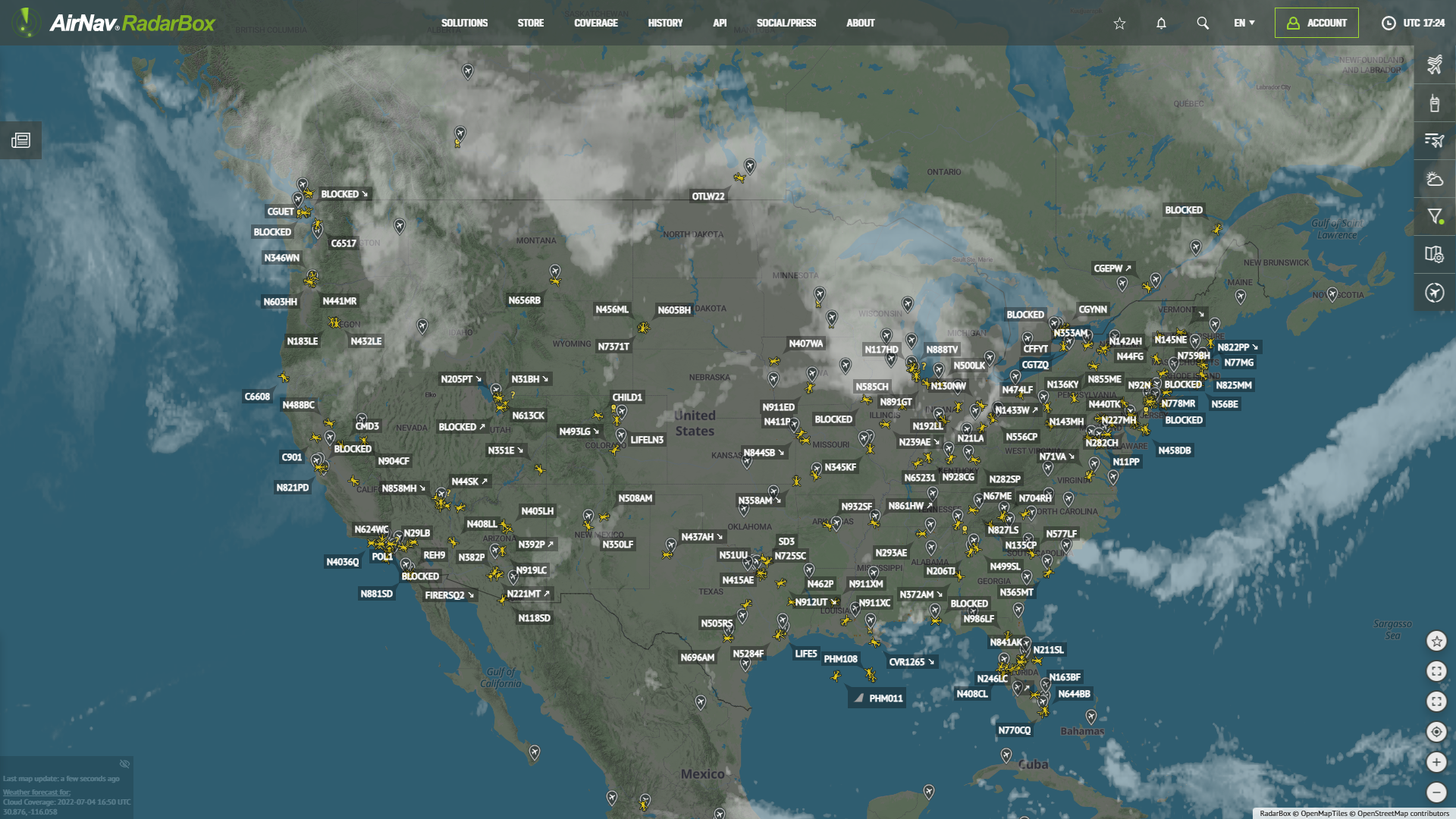
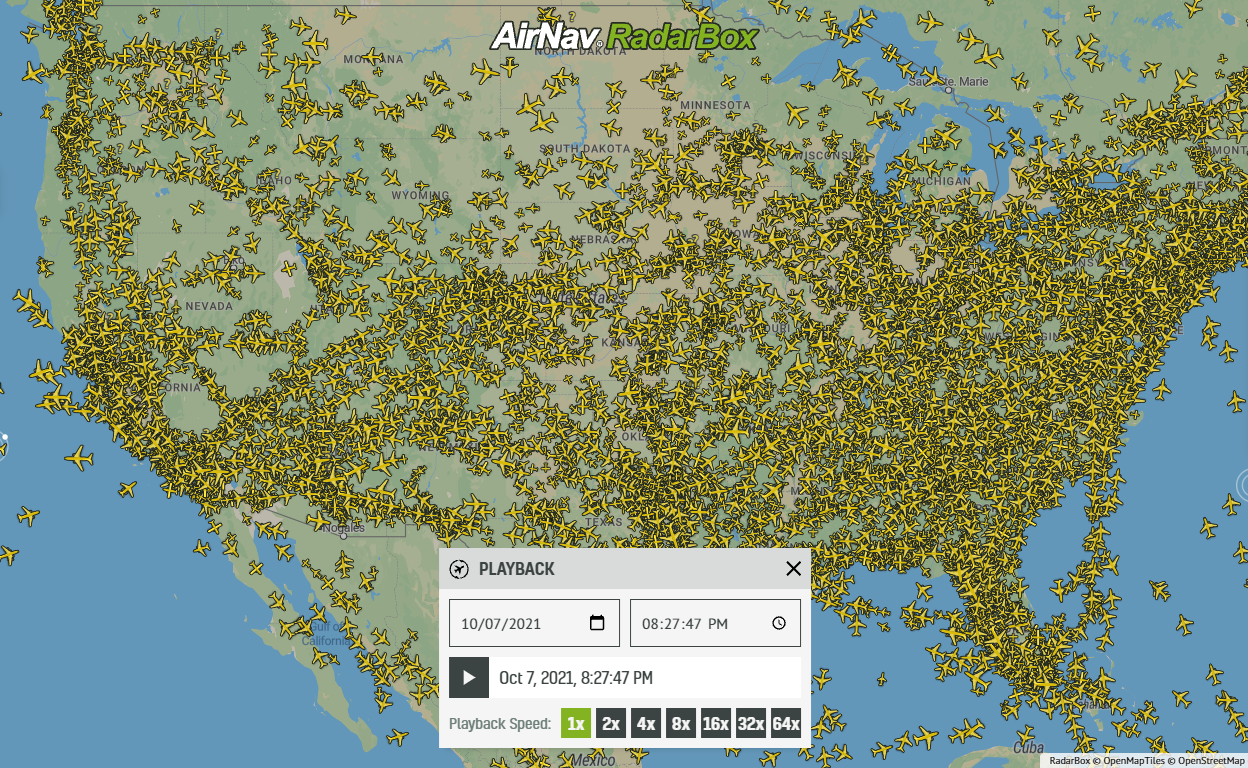
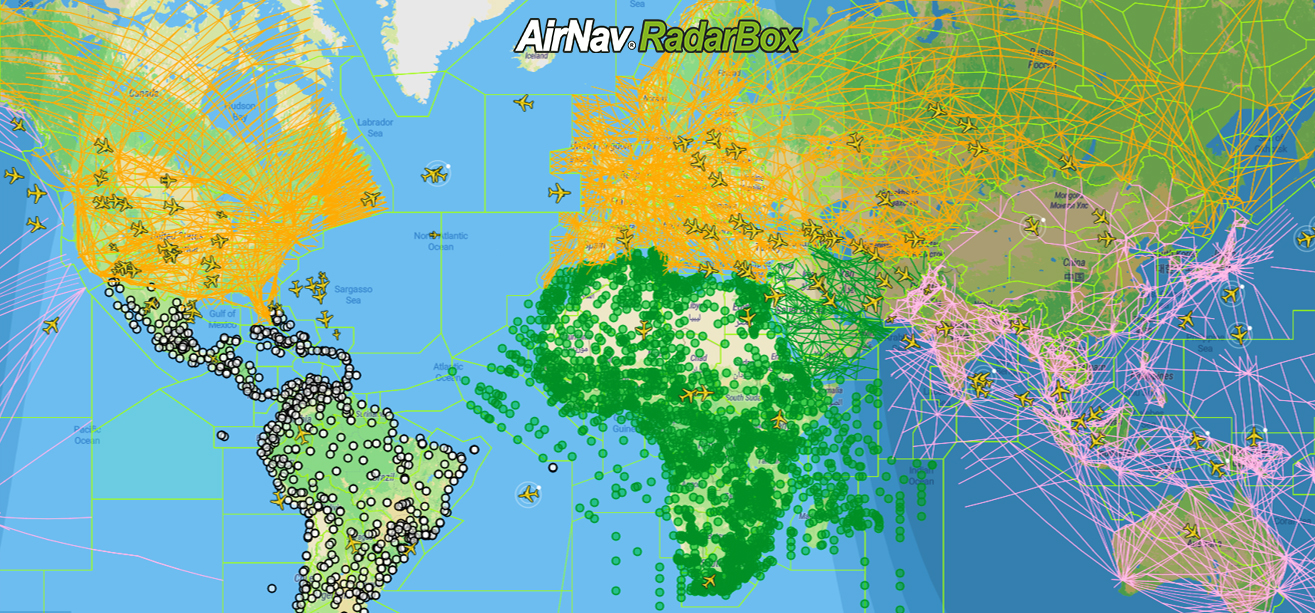
The AirNav Radar ADS-B network continues to grow worldwide, now reaching over 40,000 stations across 193 countries. Over the past 30 days, more than 304 new feeders have joined the network, helping process over 10.338 billion ADS-B messages every day. Together, AirNav Radar stations generated approximately 15.65 TB of ADS-B data over the last month, strengthening global flight-tracking coverage for aviation enthusiasts and professionals alike.
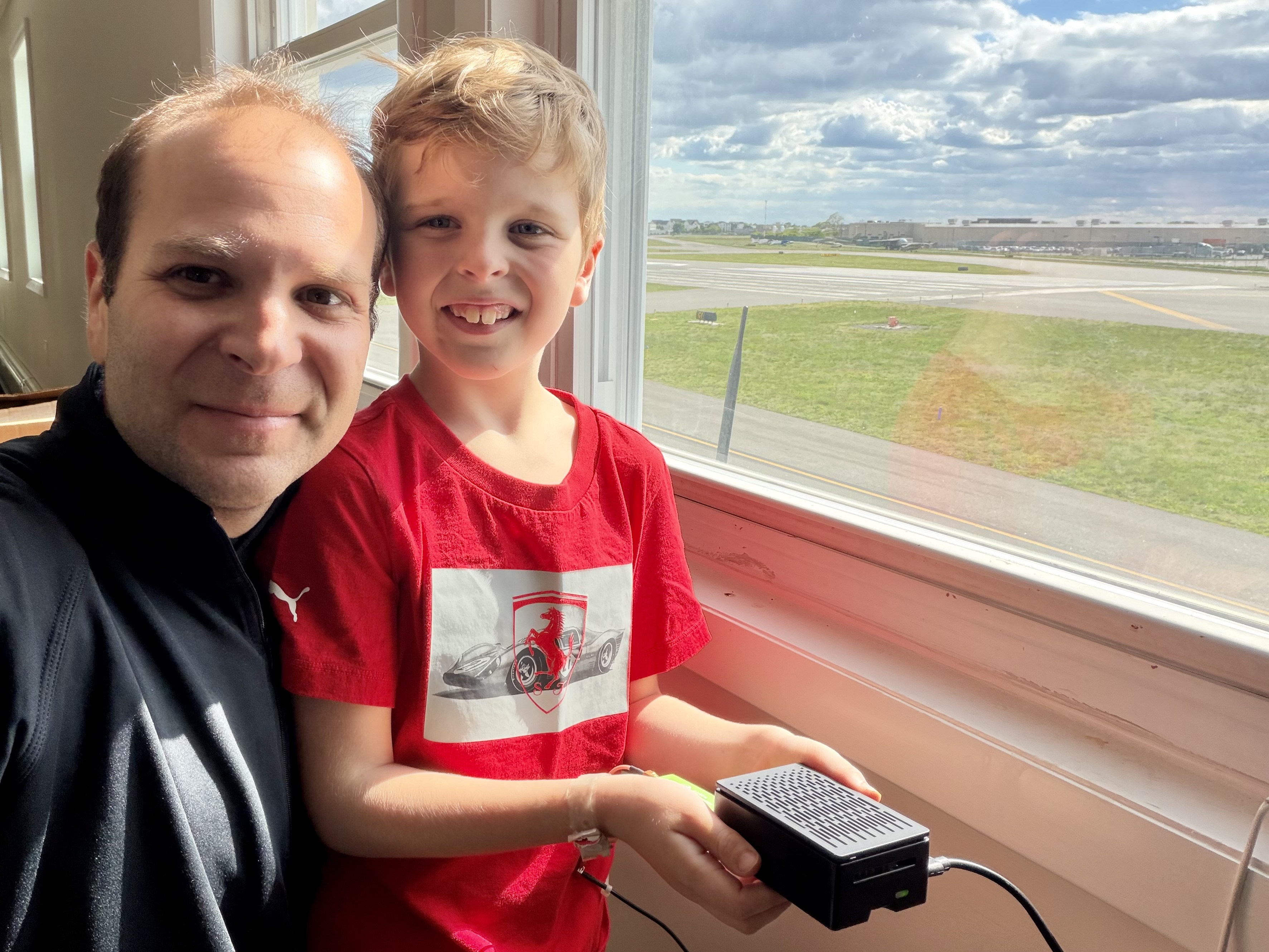
Ryan And Jason (His Son) from Farmingdale, New York, USA
This month, we feature Ryan and his 8-year-old son Jason, from Farmingdale, New York, USA, whose shared passion for aviation and technology led them to build an impressive ADS-B station through research, experimentation, and a smart approach to radio reception.
Farmingdale, New York

Infrastorian, Public domain, via Wikimedia Commons
Farmingdale is an incorporated village located within the Town of Oyster Bay in Nassau County, on Long Island, New York, United States. It is considered the anchor community of the Greater Farmingdale area. The population was 8,466 at the time of the 2020 census.
A Father-Son Aviation Project
For Ryan, discovering the ADS-B community was the perfect opportunity to combine his passion for aviation and technology with a project he could share with his 8-year-old son, Jason.
What started as a simple learning experience quickly became an exciting journey into Raspberry Pi computers, programming, radio signals, antenna theory, and aircraft tracking. Working together, the pair built and optimized their own station while learning the fundamentals behind ADS-B reception.
Focusing on Geography Rather Than Expensive Equipment
He explains that their antenna is mounted approximately 30 feet above ground level. Instead of investing heavily in hardware or attempting to build the tallest installation possible, they concentrated on understanding the physics of radio reception and selecting the most effective location.
After studying nearby airports and local terrain, they identified areas with the clearest view toward the western horizon, where aircraft traffic was most concentrated. This research eventually led them near KFRG, where outreach efforts connected them with airport tenants and, ultimately, the support of Nassau Flyers.
Their station operates with relatively modest hardware: a Raspberry Pi, an AirNav Radar Flight Stick SDR, and a Nooelec 5 dBi 1090 MHz antenna, all without external amplifiers or filters.
Optimizing Performance Through Automation
To adapt to changing signal conditions throughout the day, he developed a custom script that automatically adjusts SDR gain levels. The system increases sensitivity during quieter nighttime periods and gradually reduces gain as traffic levels rise throughout the morning.
The project also incorporated artificial intelligence to analyze reception trends, determine optimal gain settings, and regularly verify that the station remains properly tuned.
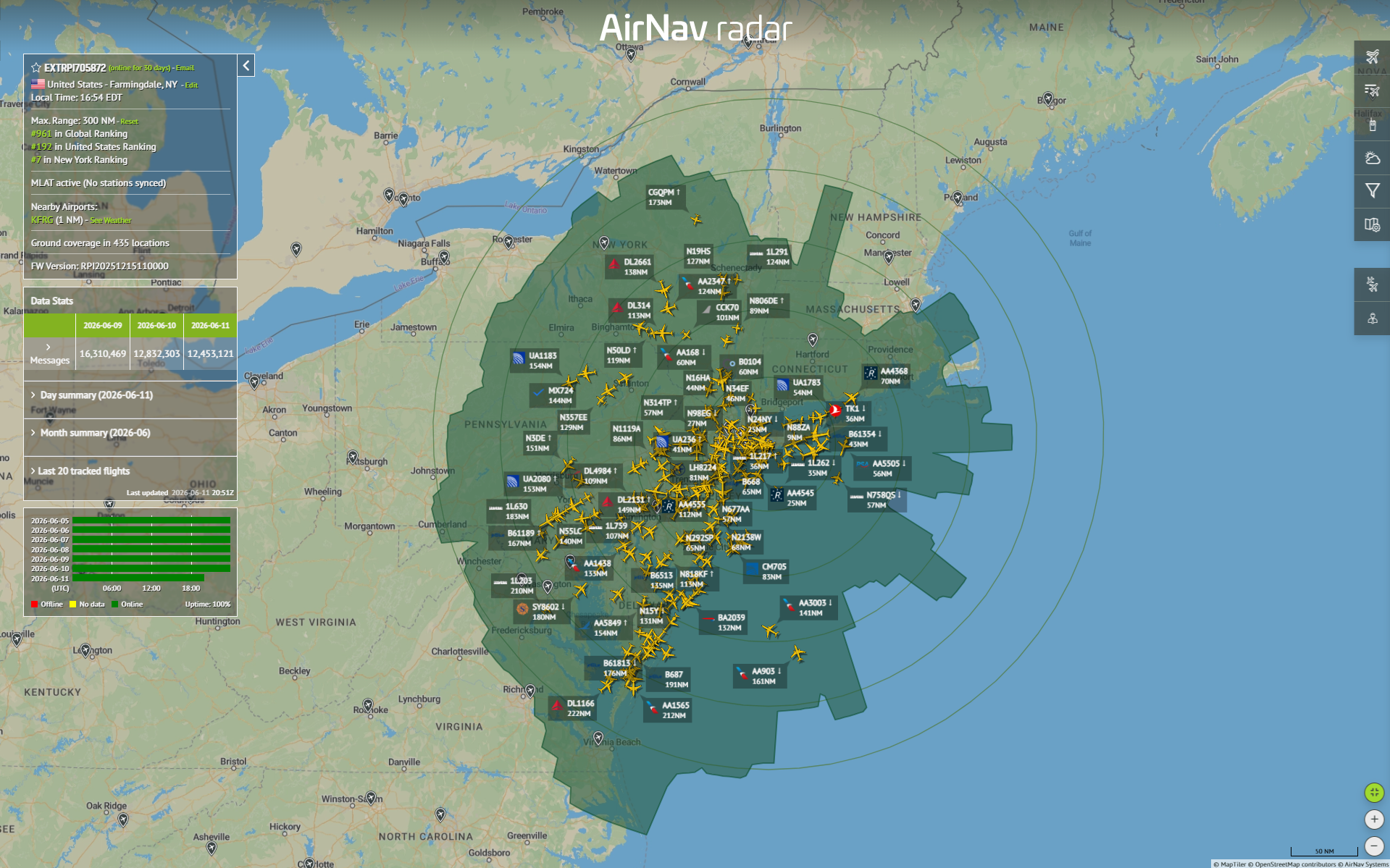
EXTRPI705872 ADS-B Station Operated by Ryan
The results were significant. According to Ryan, the station improved from tracking roughly 50 aircraft simultaneously at around 100 messages per second to consistently seeing more than 250 aircraft at once while receiving over 1,300 messages per second.
Lessons Learned About ADS-B Reception
One of the most valuable discoveries from the project was that station performance is not always determined by equipment cost.
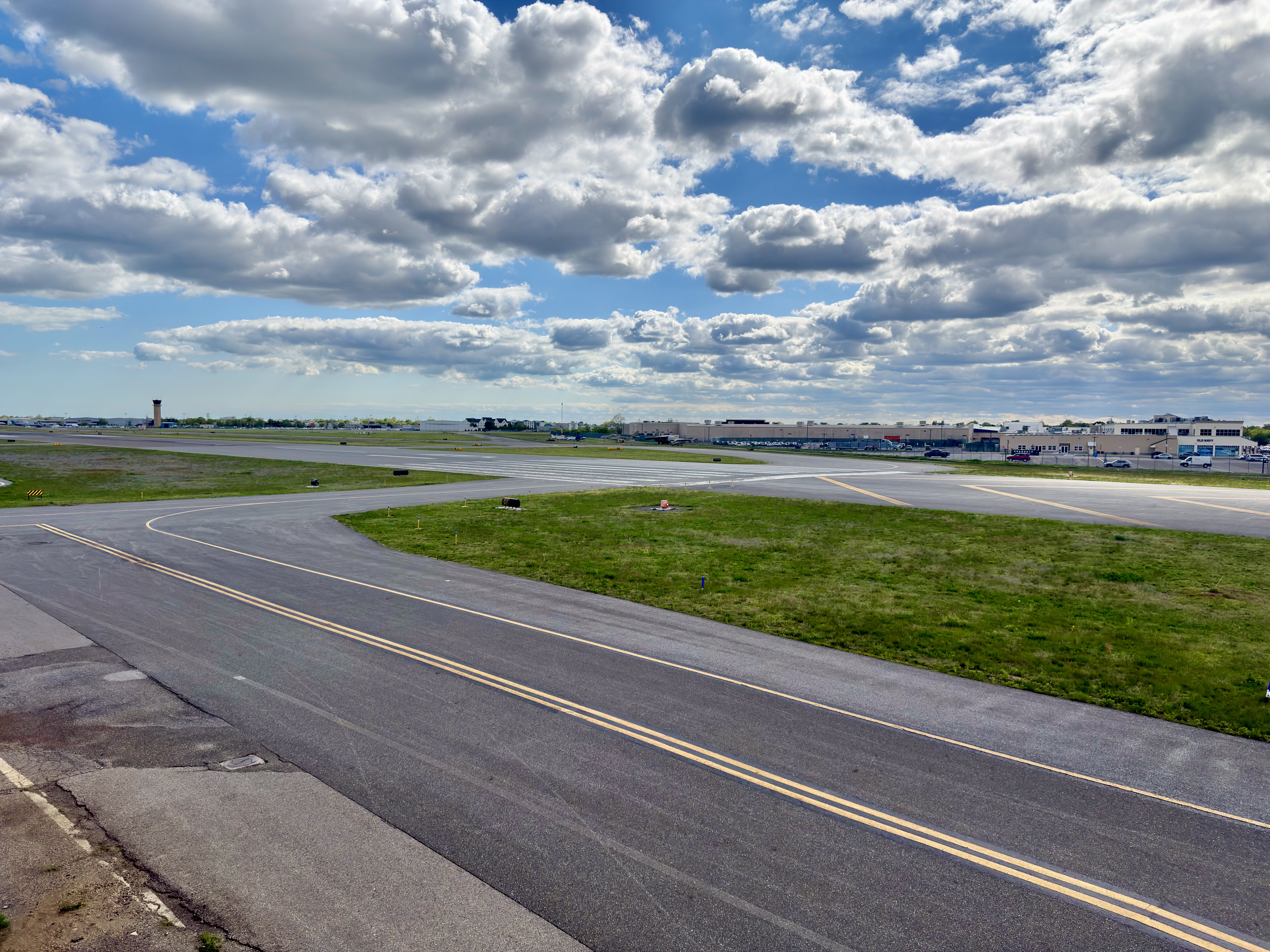
Antenna Installation Site
Ryan notes that a small antenna with a clear view of the horizon can often outperform larger installations located in valleys or areas with significant obstructions. At the same time, he emphasizes that stations operating in challenging environments remain incredibly important because they help cover regions that might otherwise become blind spots within the ADS-B network.
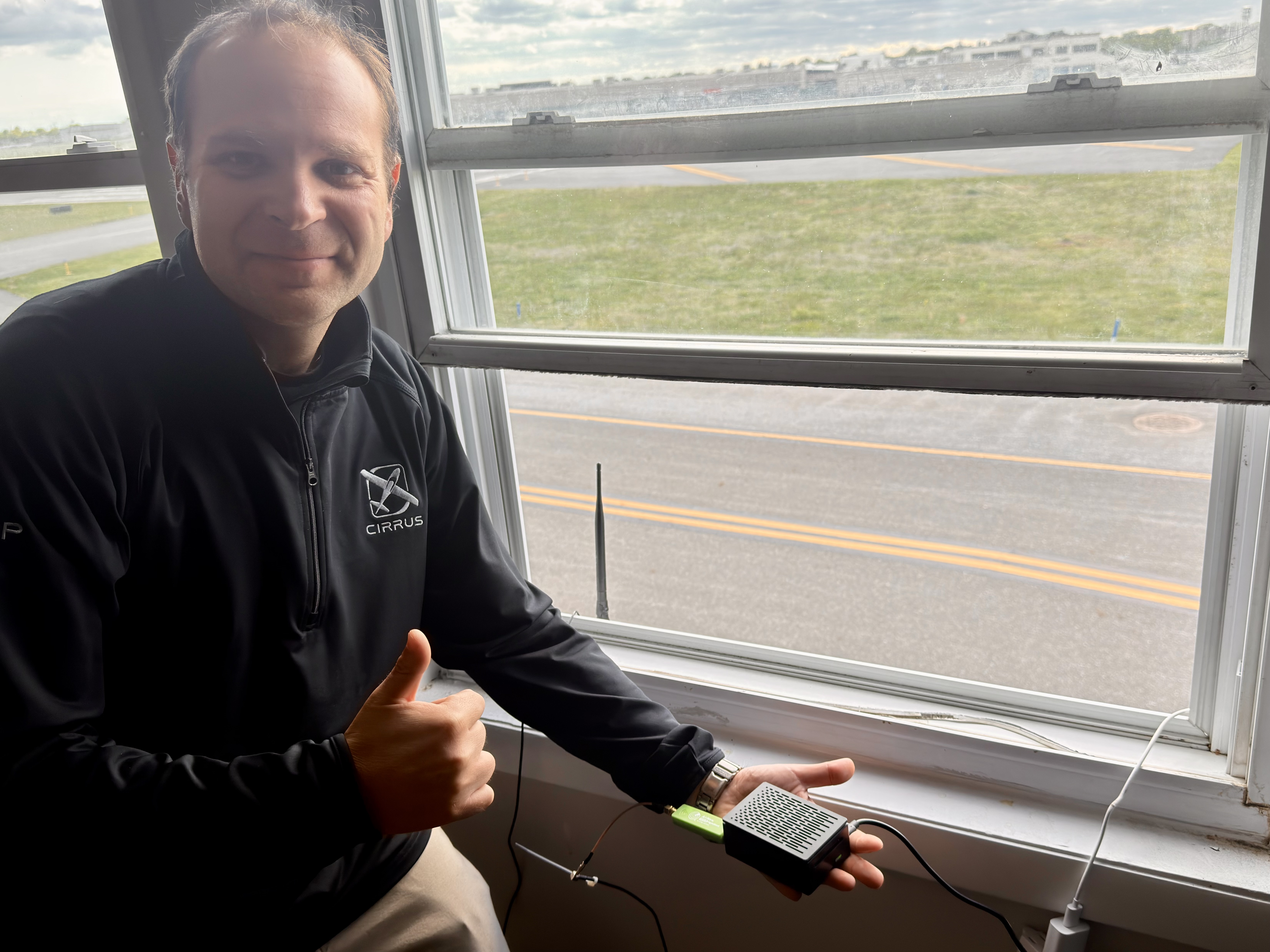
Ryan With His Setup (AirNav Radar Flightstick & ADS-B Antenna)
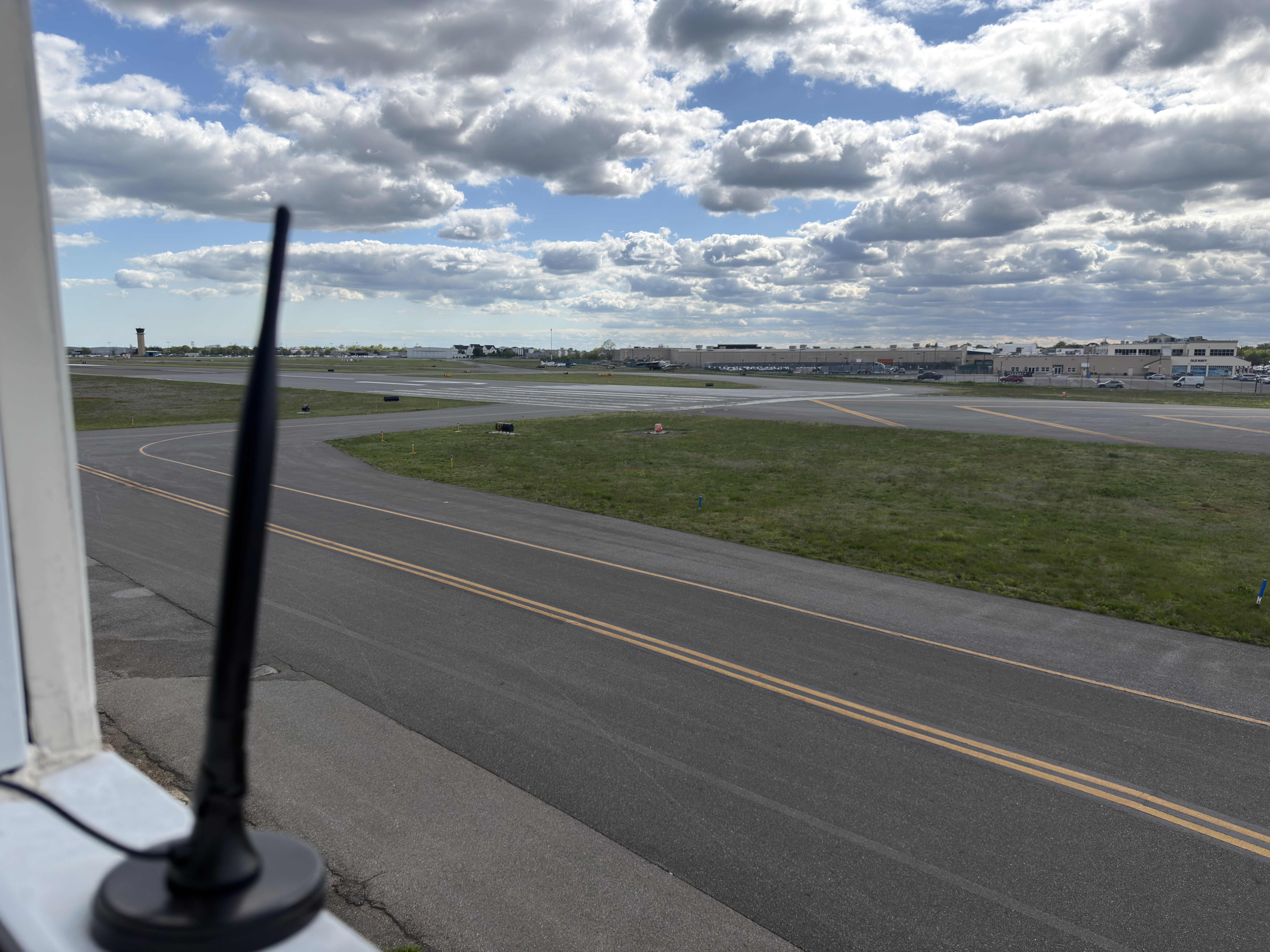
Small ADS-B (1090 MHz) Antenna
Expanding Coverage
To further improve reception, the team deployed a second low-cost station approximately 3 to 5 miles away from the primary site. This additional receiver provides better visibility toward the southern and eastern sectors, complementing the original station’s coverage and creating a much more complete view of local air traffic.
Together, both stations deliver excellent near-360-degree coverage while maintaining the project's focus on affordability and efficiency.
Finding the Right Location
While many featured ADS-B stations showcase impressive towers and sophisticated monitoring rooms, Ryan believes location selection and community engagement played a far larger role in their success.
Using the terrain analysis tool "Hey What's That," they identified a site with excellent line-of-sight potential and focused on building the relationships needed to deploy equipment there.
Why AirNav Radar?
When researching ADS-B networks, Ryan frequently encountered AirNav Radar being recommended as one of the leading communities in the industry.
He was particularly drawn to the platform’s user interface and its emphasis on recognizing the people behind the network through community features such as the Featured Feeder program.
The Most Rewarding Moment
For both Ryan and Jason, the greatest reward comes from seeing aircraft tracked by equipment they built themselves. One of Jason’s favorite moments occurred when their station successfully received data from Air Force One. Ryan describes experiences like this as the ultimate payoff, allowing them to see the direct results of their work in real time.
A Special Thank You
He would also like to recognize Nassau Flyers for their generosity and commitment to aviation. Their support helped make the project possible and played an important role in bringing the station online.
Join the AirNav Radar Network
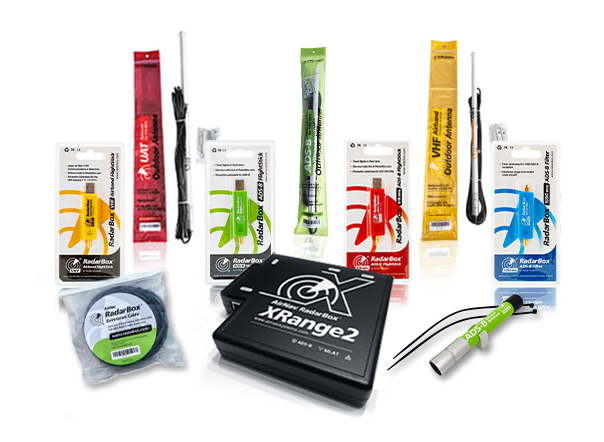
Discover our ADS-B hardware-focused products and explore the AirNav Radar store here.