Cuba’s Aviation Sector Paralyzed by Jet Fuel Shortage
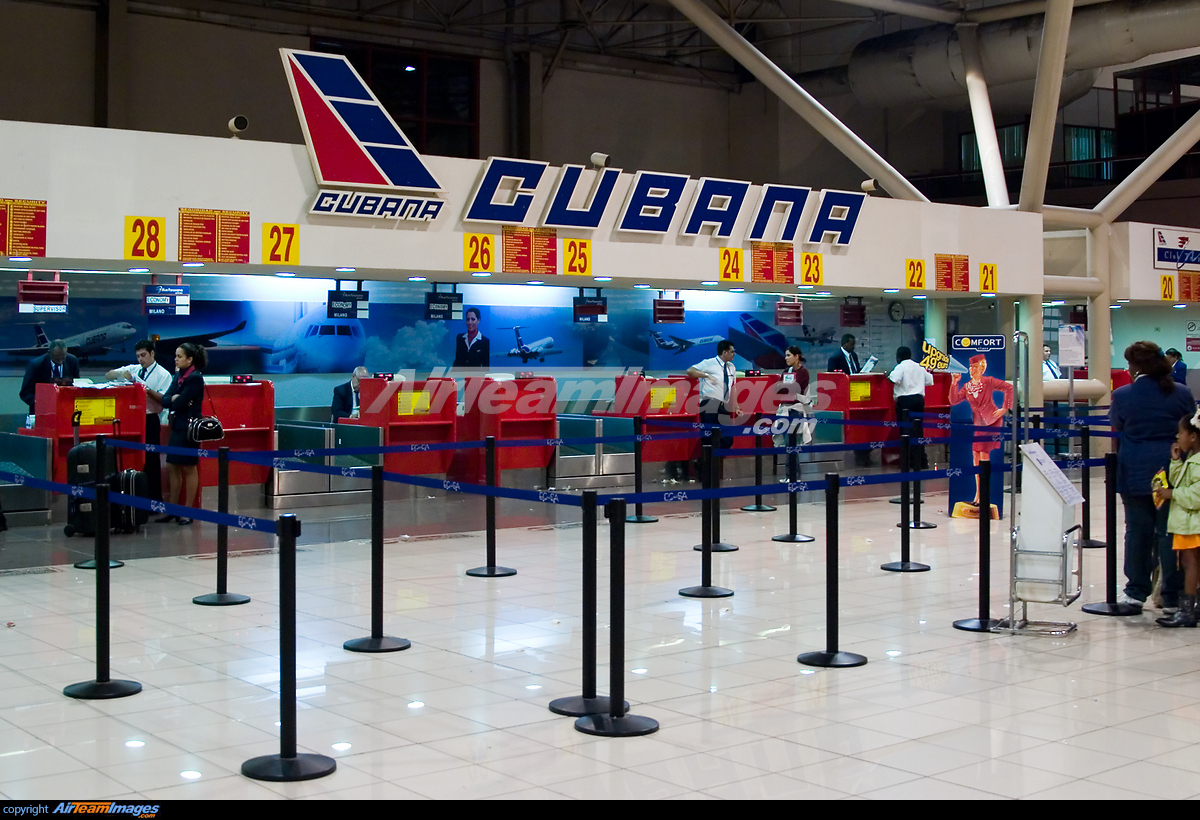
Photo: AirTeamImages.com
Cuba’s aviation sector has ground to a near-halt this week as the island faces a critical shortage of Jet A-1 fuel, forcing major international airlines to suspend operations or implement emergency refueling stops in third countries. The disruption is already having severe consequences for connectivity, tourism, and thousands of stranded travelers.
The crisis was formally confirmed through a Notice to Air Missions (NOTAM) issued by Cuban aviation authorities on Sunday. The notice warns that jet fuel will be “commercially unavailable” at all nine of Cuba’s international airports, including Havana’s José Martí International Airport (HAV), from February 10 through at least March 11, 2026. Industry sources caution that the disruption could extend beyond the stated period if fuel supply issues persist.
Airlines Forced into Retreat
The fuel shortage has triggered an immediate wave of cancellations, hitting Canadian carriers especially hard. These airlines form the backbone of Cuba’s tourism market, particularly during the winter high season.
-
Air Canada
The flag carrier has suspended all services to Cuba with immediate effect. The airline is currently operating southbound empty flights to repatriate roughly 3,000 passengers stranded at resorts across the island. -
WestJet & Sunwing
Both carriers have halted ticket sales and announced an “orderly wind-down” of their remaining winter schedules to Cuba, citing the lack of guaranteed fuel availability. -
Air Transat
After initially attempting to maintain limited operations, Air Transat has now suspended all flights to Cuba through April 30, 2026, extending well beyond the period covered by the NOTAM.
Emergency Measures and Fuel Tankering
While several airlines have opted to withdraw entirely, others are attempting to maintain service through operational workarounds. These include fuel tankering—carrying enough fuel for the return journey—or adding technical refueling stops outside Cuba.
Spanish carriers Iberia and Air Europa have confirmed that their Havana–Madrid services will now include a mandatory refueling stop in Santo Domingo, Dominican Republic. While this allows flights to continue, it increases operating costs, flight times, and logistical complexity.
Aviation analysts note that such measures are typically unsustainable over long periods, especially amid high fuel prices and tight aircraft utilization schedules.